
Browser Games›Mancala
Play Mancala in your browser on a carved wooden board with glass stones. This is Kalah, the best-known version: six pits on each side, two stores, and one goal, to collect more stones than the other side. Face the computer on Easy, Medium or Hard, or share one device with a friend. Every pit shows its count, and you can see where your last stone will land before you sow.
How to play Mancala
- The board has six pits on each side and a store at each end. Your pits are the row nearest to you and your store is on your right. Every pit starts with four stones.
- On your turn, pick one of your pits. Its stones are sown one by one into the following pits, counter-clockwise.
- Sowing passes through your own store and continues along the other side. The other player’s store is skipped.
- Extra turn: if your last stone lands in your own store, you play again.
- Capture: if your last stone lands in an empty pit on your side and the pit opposite holds stones, those stones and your last stone go to your store.
- The game ends when all six pits on one side are empty. The stones left on the other side go to that side’s store. The fuller store wins.
How to use this board
- On a computer, point at one of your pits: a dashed marker shows where its last stone will land. Click to sow.
- On a phone or tablet, tap a pit once to see the landing spot and tap it again to sow.
- A gold glow on your store means an extra turn. A red ring on the opposite pit means those stones will be captured.
- Pits you can play have a gold outline.
- On a wide screen your pits are the bottom row and your store is on the right. On a narrow phone the board stands upright: your pits are the left column and your store is at the bottom.
- Undo takes back your last move together with the computer’s reply. Hint marks a strong pit in blue. Fast sowing speeds up the animation.
- In the options, choose 3, 4, 5 or 6 stones per pit and who moves first.
Levels and game modes
- Easy: looks two moves ahead and picks a random pit about one time in three.
- Medium: looks five moves ahead and takes obvious extra turns and captures.
- Hard: thinks for about 0.4 seconds and usually reads ten or more moves ahead, including chains of extra turns.
- 2 players: two people share one device. Player 1 has the bottom row, or the left column on a phone.
Mancala strategy: patterns that win games
- Open with the third pit. With four stones per pit, the third pit from your left ends exactly in your store. You score a stone and move again.
- Count before you sow. A pit gives an extra turn when its stone count equals its distance to your store: one stone in the pit next to the store, two in the next one, and so on.
- Empty the pit next to your store early and often. Every single stone that reaches it later is another extra turn.
- Set up captures. An empty pit on your side is a trap when the pit opposite is full. Look for a move whose last stone lands exactly there.
- A pit with 13 stones travels around the whole board and ends where it started. That pit is empty by then, so the move captures whatever sits opposite.
- Near the end, stones left on a side go to that side’s owner. If the other side is about to run out, stop feeding stones across.
Rules used here
This game follows standard Kalah rules, also written Kalaha. Sowing is counter-clockwise, your own store is included and the other store is skipped. A capture needs an empty pit on your own side and at least one stone in the pit opposite; if the opposite pit is empty, the stone simply stays. When one side has no stones, the rest go to their owner and the stores are compared. Equal stores are a draw. Four stones per pit is the default: three give a shorter game, five or six a longer and more tactical one.
Frequently asked questions
How do you win at Mancala?
By having more stones in your store when the game ends. With four stones per pit there are 48 stones, so 25 in your store guarantee the win.
Which way do the stones move?
Counter-clockwise: along your row toward your store on the right, then along the other side from right to left. On the upright phone layout that is down your column and up the other one.
How does capturing work?
If your last stone lands in an empty pit on your own side and the opposite pit holds stones, both go to your store. If the opposite pit is empty, nothing is captured.
Who should move first?
Moving first is an advantage in Kalah, because the first player can open with an extra turn. Here you choose who starts, so you can give the computer the first move for a harder game.
Is it free, and is my game saved?
Yes. There is no sign-up and no download. The game is saved in this browser after every move and opens again when you come back.
More games to play
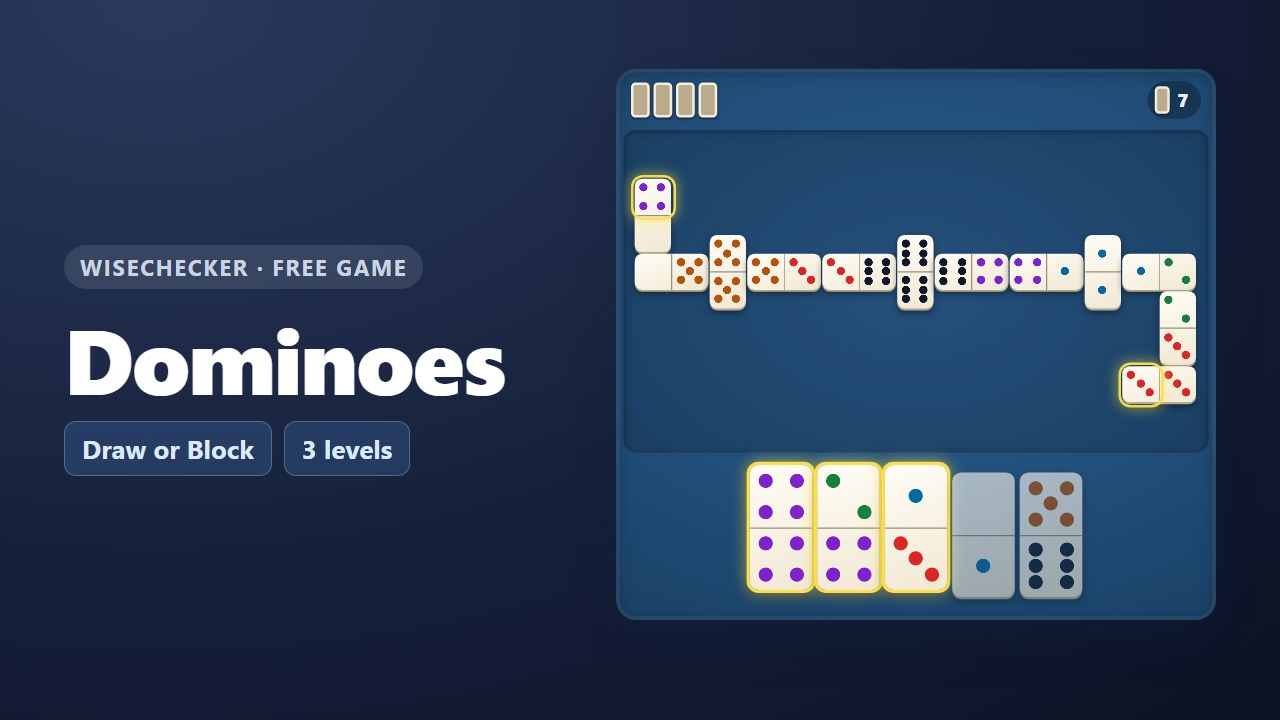 DominoesClassic double-six dominoes against the computer.
 BackgammonClassic backgammon against the computer or a friend.
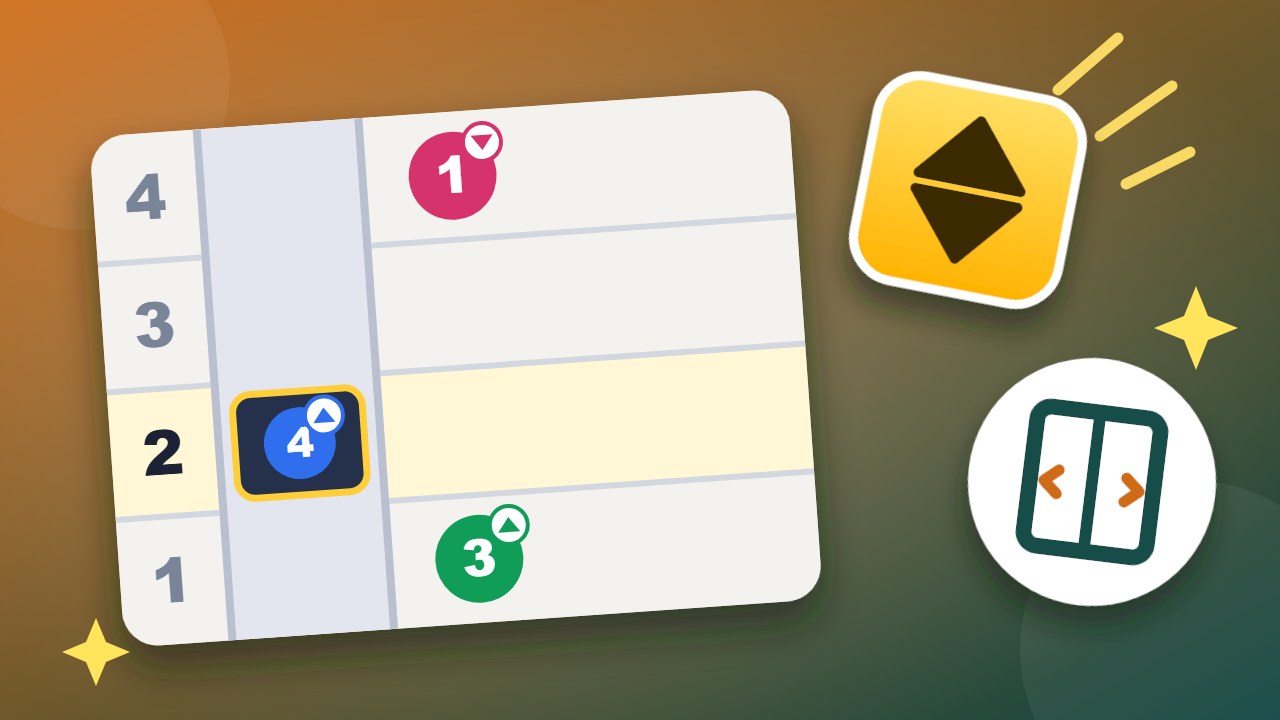 Lift LogicBring everyone to their floor in the fewest moves.
 One UmbrellaGet everyone across with one umbrella, in the fewest minutes.
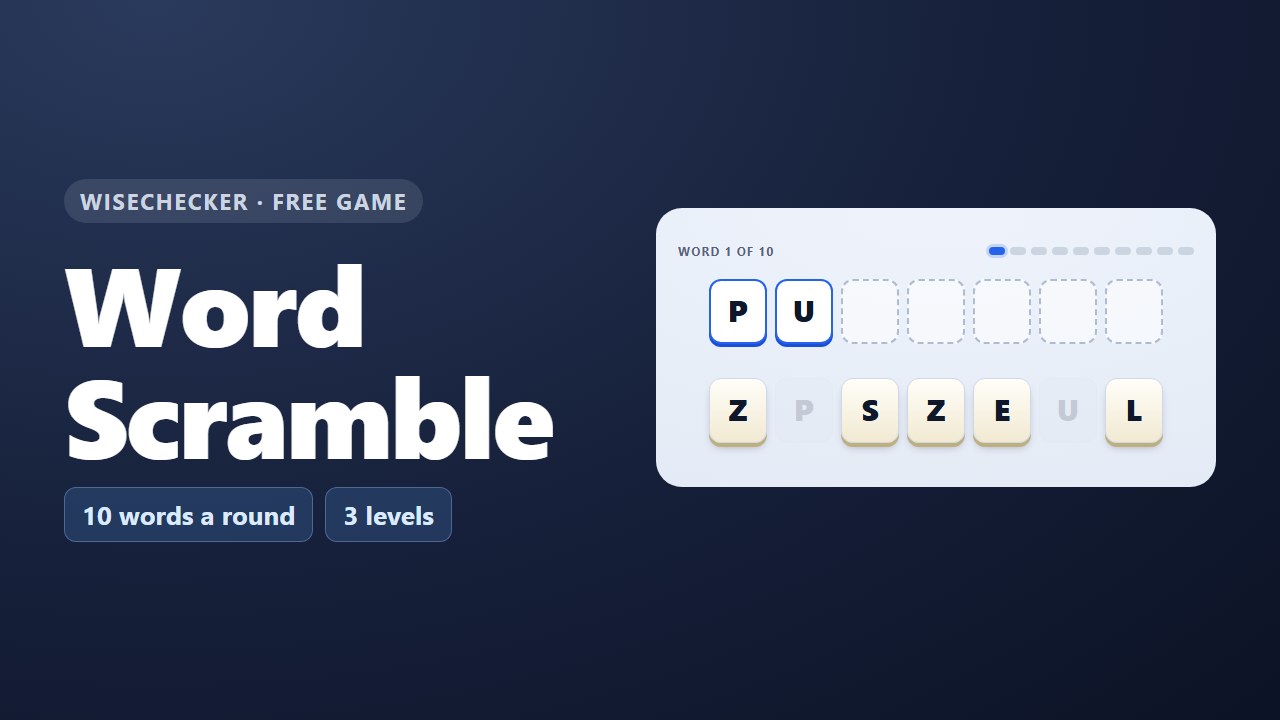 Word ScramblePut the mixed-up letters in order to find the word.
 Aim TrainerThree aim drills with time per target and accuracy.
Handy free tools
- CSS Visual BuilderGenerate CSS gradients and multiple box-shadows, and preview or save SVG code with dangerous elements removed and isolated.
- Social Image MakerSet a headline, colors, background image, and logo; check automatic text fitting and safe-area trimming, then save OGP and social media images.
- PDF EditorEdit PDFs without uploading them. Merge, split, reorder, rotate, extract and delete pages, add page numbers and watermarks, and remove metadata for…
- ALLAll free toolsSee all 36 tools in one list.