
Browser Games›Chess
Play a full game of chess against the computer in your browser. Choose white or black and one of four levels, from a beginner that makes mistakes to a hard opponent that thinks for about a second.
How to play chess
Board setup, special moves, draws and a plan for your first game: How to Play Chess.
- Each side has a king, a queen, two rooks, two bishops, two knights and eight pawns. White moves first.
- The rook moves in straight lines, the bishop on diagonals and the queen does both. The knight jumps in an L shape and is the only piece that jumps over others. The king moves one square in any direction.
- A pawn moves one square forward, or two from its starting square, and captures diagonally forward. On the last row it is promoted to a queen, rook, bishop or knight.
- A king under attack is in check: move it, block the line or capture the attacker. No move may leave your own king in check.
- Castling: the king moves two squares toward a rook, which jumps to its other side. Neither piece may have moved, the squares between them must be empty, and the king may not be in check or cross an attacked square.
- En passant: a pawn that moves two squares and lands beside an enemy pawn can be captured by it on the next move only, as if it had moved one square.
- You win by checkmate: the king is in check and no move saves it.
How to use this board
- Tap or click a piece, then a marked square, or drag the piece with the mouse or a finger.
- With Show legal moves on, dots mark free squares and rings mark captures. A king in check glows red.
- Undo takes back your move and the computer’s reply. Hint marks a good move in blue. PGN copies the game in standard notation for an analysis board.
The four levels
- Beginner: looks one move ahead and often plays a second-best or random move, so it leaves pieces unprotected.
- Easy: looks two moves ahead. It takes what you leave hanging but misses longer plans and sometimes picks a weaker move.
- Medium: looks four moves ahead and follows every exchange to the end.
- Hard: thinks for about a second and usually sees seven to ten moves ahead, a little less on a phone.
Opening principles
- Start with a centre pawn: e4 or d4 as white, e5 or d5 in reply as black.
- Bring out knights and bishops before the queen and rooks. Knights usually belong on f3 and c3, or f6 and c6.
- Castle early: the king gets safer and the rook comes into play.
- Before every move, check what the computer’s last move attacks and which of your pieces is unprotected.
Basic checkmates and tactics
- Queen and king against king: keep the queen a knight’s move from the king and shrink its box until it is on the edge, then bring your king beside it and mate with the protected queen. Leave the lone king a free square until then, or it is stalemate.
- Two rooks, the ladder: one rook holds a row, the other gives check on the next. Repeat to the edge.
- Back rank mate: a king behind three unmoved pawns can be mated by a rook or queen on its first row.
- Fork: one piece attacks two at once, and knights are best at it. Pin: a piece cannot move because a more valuable one stands behind it. Skewer: the valuable piece is in front and the one behind is lost.
- Count before you exchange: pawn 1, knight 3, bishop 3, rook 5, queen 9. When ahead, trade pieces, not pawns.
Draws and the rules used here
Standard chess rules apply. A game is drawn in four ways. Stalemate: the side to move has no legal move and is not in check. Threefold repetition: the same position with the same side to move appears for the third time. Fifty-move rule: fifty moves by each side pass without a capture or a pawn move. Insufficient material: king against king, king with one bishop or knight against king, or only bishops on squares of one colour.
Repetition and the fifty-move rule end the game here without a claim. There is no clock and no draw offer.
Frequently asked questions
Is this chess game free?
Yes. There is no sign-up, no download and no limit on games.
Can I play as black?
Yes. Choose Black at the top. The board turns and the computer moves first.
How strong is the computer?
Beginner makes mistakes on purpose. Hard thinks about a second per move and beats most casual players.
Why can't I castle?
The king or that rook has moved, a piece stands between them, the king is in check, or it would cross or land on an attacked square. An attacked rook does not prevent castling.
Can I continue a game later?
Yes. The game is saved in this browser after every move. To keep it for good, press PGN and paste the text into a file.
More games to play
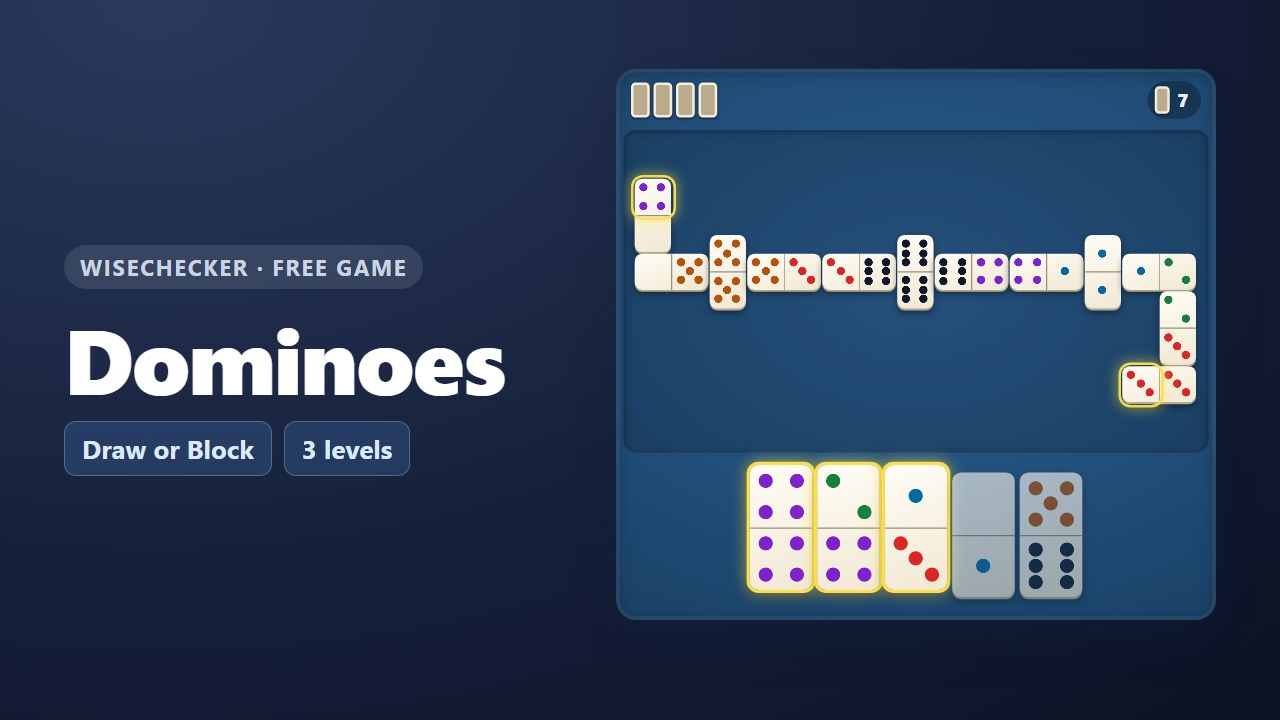 DominoesClassic double-six dominoes against the computer.
 BackgammonClassic backgammon against the computer or a friend.
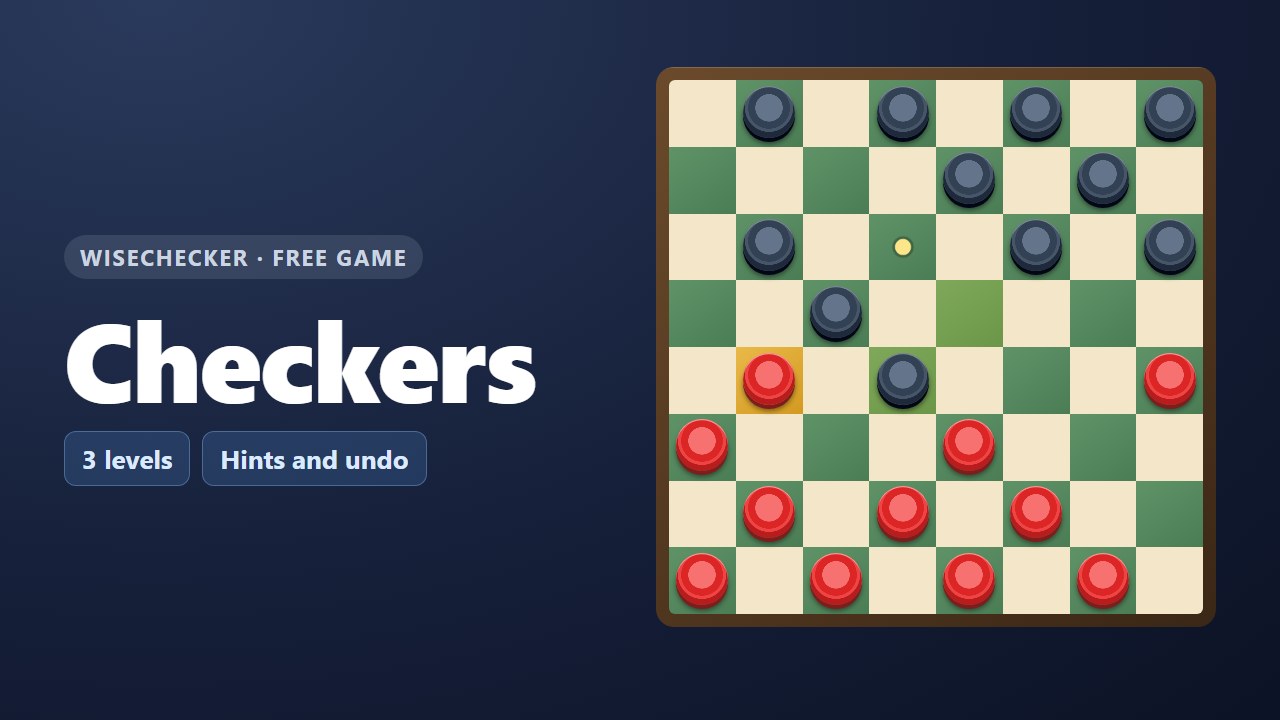 CheckersClassic checkers against the computer in three levels.
 ReversiClassic Reversi against the computer in three levels.
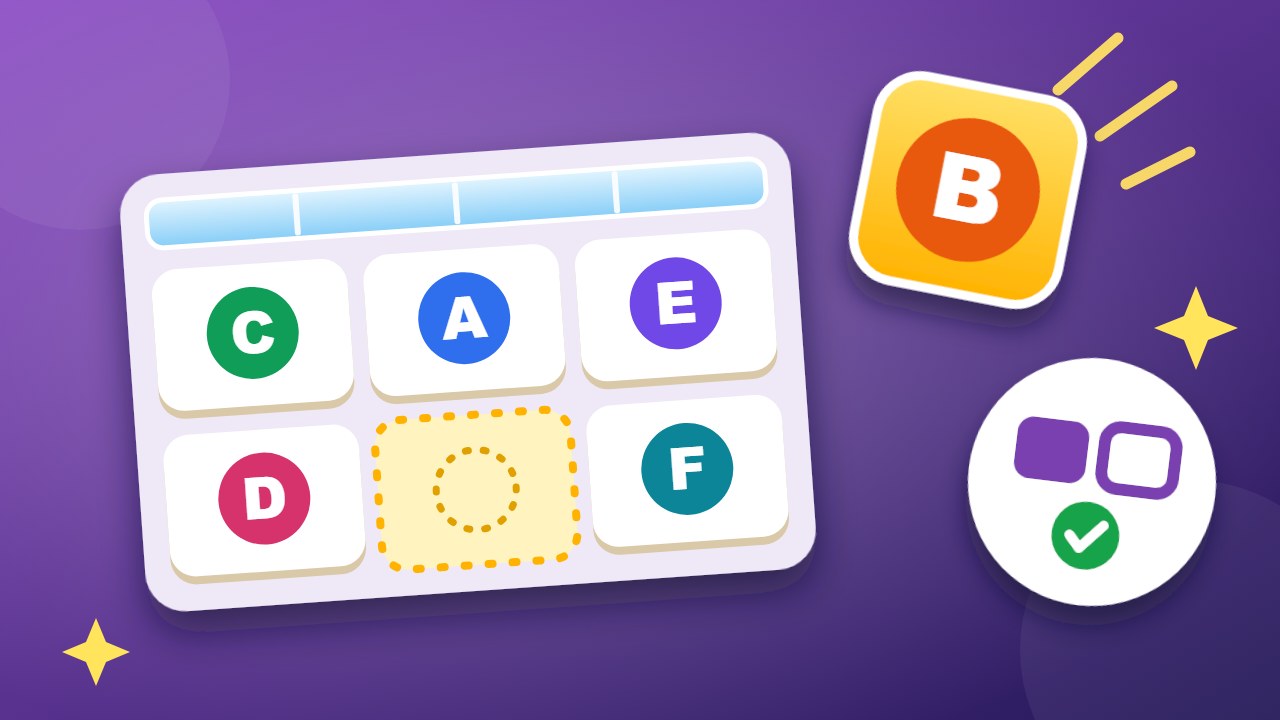 Seat PlanRead the clues and give everyone the right desk.
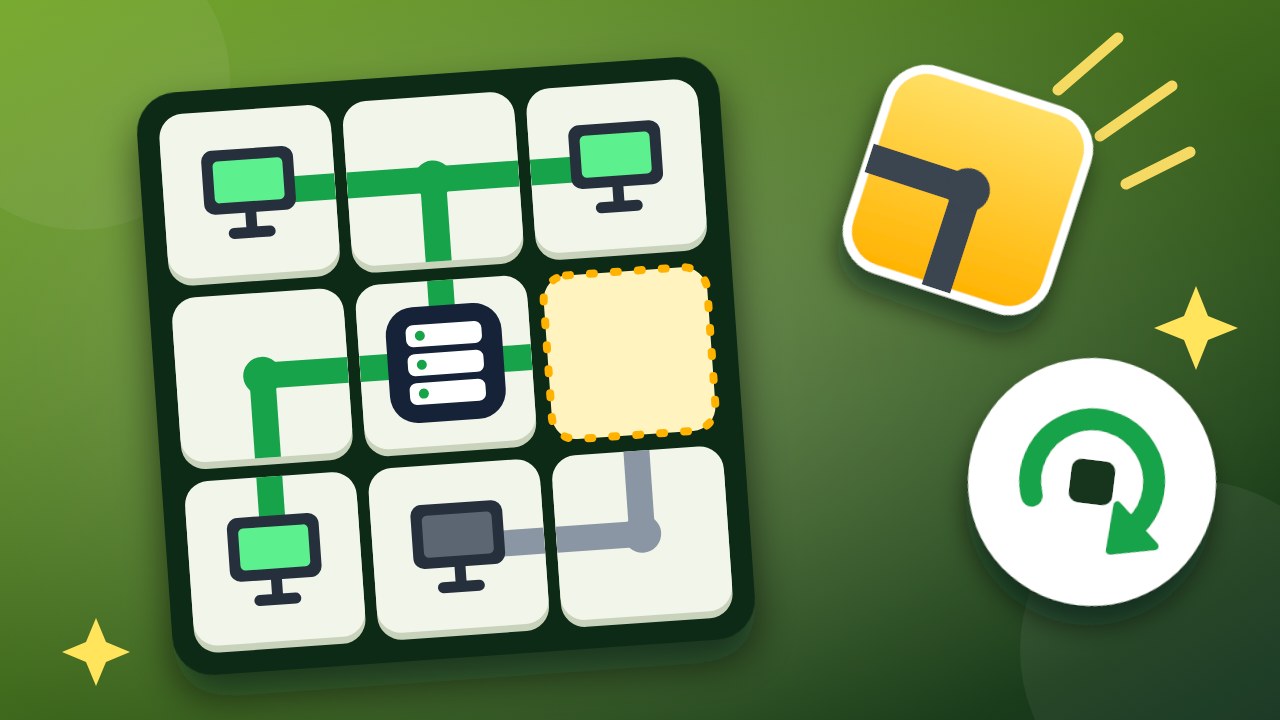 Cable RunTurn the cable tiles and bring every computer online.
Handy free tools
- Split a BillSplit a bill equally or by weight, add fixed amounts, choose a rounding unit, and make the collected shares match the total.
- Memo & ChecklistAutomatically save memos and checklists to the same browser, and organize them with colors, tags, pinning, search, progress tracking, and JSON backup.
- Colors & PalettesIdentify the name of a selected color and nearby CSS standard colors, convert between HEX, RGB, and HSL, pick colors from images by clicking, extract…
- ALLAll free toolsSee all 36 tools in one list.