
Browser Games›15 Puzzle
The 15 Puzzle is the classic sliding puzzle: fifteen numbered tiles in a frame of sixteen squares, with one square left empty. Slide the tiles until they read 1 to 15 in order. Play the 4 by 4 original, the smaller 8 puzzle or the 5 by 5 board with 24 tiles, on a phone or a computer.
How to play the 15 Puzzle
- The board holds numbered tiles and one empty square. Only a tile next to the empty square can move, and it moves by sliding into it.
- Tap or click a tile beside the gap to slide it. A tile further away in the same row or column pushes every tile between it and the gap.
- The puzzle is solved when the numbers run in order from left to right and top to bottom, with the empty square in the bottom right corner.
- Each tile that moves counts as one move, so a push of three tiles adds three. The clock starts with your first move.
Controls on phone and desktop
- Phone, tablet and mouse: tap or click a tile in the row or column of the empty square, or swipe it towards the gap. A swipe anywhere on the board also works: the tile next to the gap moves in that direction.
- Keyboard: click the board first. The arrow keys, or W, A, S and D, move the tile next to the gap in the direction of the arrow.
- Restart puts the same shuffle back to its starting position, with the moves and the clock at zero. New shuffle deals a different puzzle.
- A tile on its home square shows a white ring, and each row of the solved board has its own colour, so you can see at a glance where a tile belongs.
Three sizes
- 3 by 3 (the 8 puzzle): eight tiles. A good place to learn: any position can be solved in 31 moves or fewer.
- 4 by 4 (the 15 puzzle): the original, from the 1870s. The hardest positions need 80 moves with perfect play, and a relaxed solve takes 100 to 200.
- 5 by 5 (the 24 puzzle): twenty-four tiles and a much longer solve. The method is the same, there are just more rows to finish.
How to solve it: a method that always works
- Solve the top row first. On the 4 by 4 board, put 1 and 2 in place, one at a time.
- The last two tiles of a row go in together. Put 4 on the square where 3 belongs, bring 3 directly underneath it and move the gap to the corner. Then slide both: 4 goes right and 3 goes up.
- Solve the second row the same way, and leave the finished rows alone.
- Finish the last two rows together, column by column from the left. Put 13 on the square where 9 belongs, bring 9 to the right of it and move the gap under the 13. Then slide both: 13 goes down and 9 goes left. Do the same with 10 and 14.
- The last three tiles (11, 12 and 15) only have to circle around the 2 by 2 square that is left until they fall into place.
- If a tile you need is stuck under a finished row, take one finished tile out, bring the stuck one up and put both back with the same two-tile trick.
Why every shuffle here can be solved
Exactly half of all possible arrangements of the tiles can be reached by sliding. The other half cannot, however long you try. Swapping just two tiles of a solved board gives the famous impossible case, with 14 and 15 exchanged, which puzzled players in the 1880s. This game checks every shuffle and repairs it before you see it, so you never get an impossible board.
Rules used here
The clock runs from the first move until the puzzle is solved and pauses when you leave the tab. One puzzle in progress is kept for each size, and your bests are saved in this browser.
Frequently asked questions
Is every 15 Puzzle solvable?
Not every arrangement of the tiles, only half of them. Every shuffle in this game is checked first, so all the puzzles here can be solved.
What is the minimum number of moves?
It depends on the shuffle. On the 4 by 4 board no position needs more than 80 moves with perfect play, and on the 3 by 3 board no more than 31. Solving by hand usually takes two or three times as many.
How do you solve the last row?
Do not solve it as a row. Finish the last two rows together, column by column from the left, and circle the final three tiles in the 2 by 2 corner.
Can I slide several tiles at once?
Yes. Tap a tile further away in the row or column of the empty square, and all the tiles in between slide together. Each tile counts as one move.
Is it free, and is my progress saved?
Yes. There is no sign-up, and your bests and the puzzle in progress are saved in this browser.
More games to play
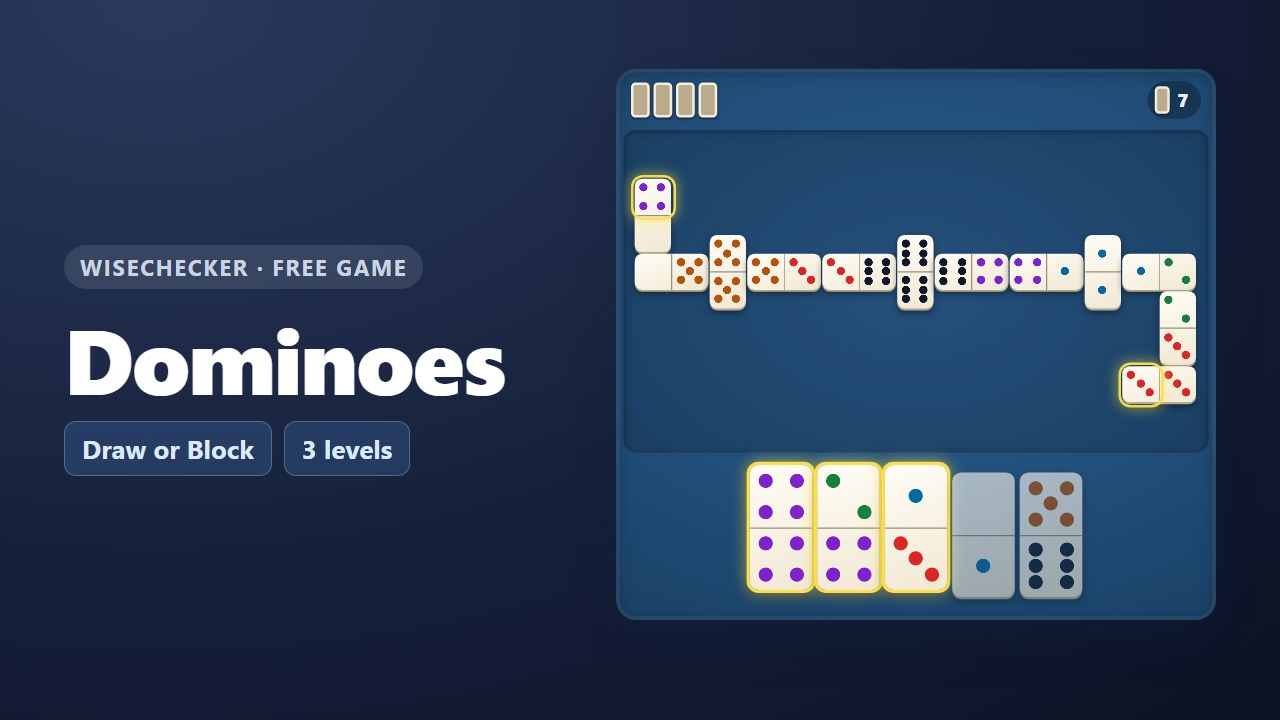 DominoesClassic double-six dominoes against the computer.
 BackgammonClassic backgammon against the computer or a friend.
 Block PuzzleDrag blocks onto a 9 by 9 board and clear full lines.
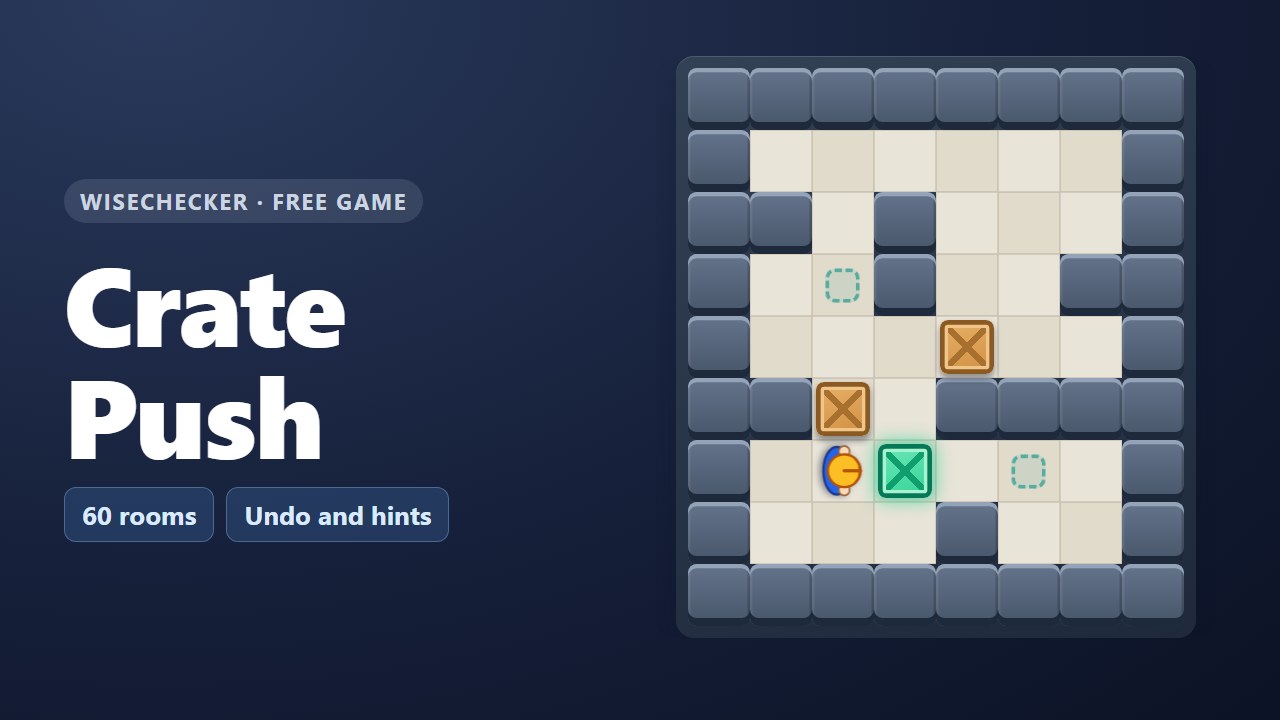 Crate PushA box-pushing puzzle in 60 warehouse rooms.
 Clean DeskRemember the desk and find what is gone.
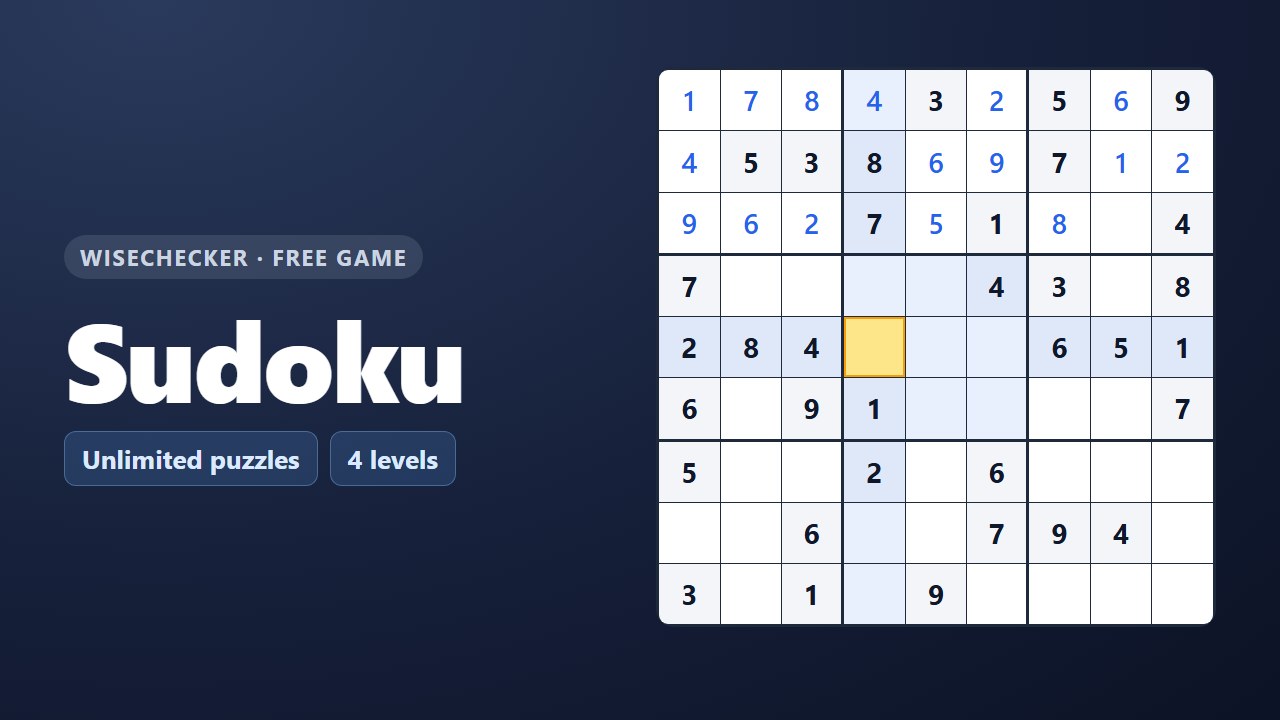 SudokuUnlimited puzzles in four levels, with notes and hints.
Handy free tools
- Dummy DataGenerate test data with fictional names, emails, address-like strings, dates, UUIDs, and sequential numbers—without using real information.
- Image PrivacyRemove Exif and GPS data, resize, compress, convert formats, and apply mosaic or blackout effects to multiple images—all in your browser.
- QR & BarcodesScan QR codes and barcodes from images or your camera, and review the URL structure before opening it.
- ALLAll free toolsSee all 36 tools in one list.