
Browser Games›Backgammon
Play backgammon in your browser on a walnut board. Roll two dice, race your fifteen checkers around the board and bear them off before the other side does. Face the computer on Easy, Medium or Hard, or share one device with a friend.
How to play Backgammon
- Each side has fifteen checkers on a board of 24 points. Yours are the light ones. They travel to your home board, the last six points before your tray.
- Each side first rolls one die: the higher number moves first and plays both. After that the players take turns rolling two dice.
- Each die moves one checker by that many points: two different checkers, or the same one twice. A double is played four times.
- A checker may land on an empty point, on your own checkers or on a single opposing checker. Two or more opposing checkers close the point.
- Hitting: landing on a single opposing checker sends it to the bar. It must enter the other side’s home board before its owner moves anything else.
- Bearing off: once all fifteen checkers are in your home board, each die takes one off the board. The first side to bear off all fifteen wins.
How to use this board
- Press Roll, or tap the blank dice on the board. Checkers that can move get a gold ring.
- Pick a checker and the points it can reach turn gold; red means you hit a checker there. Tap a lit point, or drag the checker onto it. A point two dice away lights up too and plays both dice at once.
- Undo takes back your moves one by one until you press Done, which lights up when you have played everything you can.
- On a wide screen the board lies across and your home board is at the bottom right. On a phone it stands upright, so every point is a wide row that is easy to tap; your home board is at the bottom left.
- The number beside each name is the pip count: how many points that side still has to travel.
Levels, game modes and results
- Easy: often moves at random.
- Medium: weighs made points, exposed checkers and the race, with small mistakes.
- Hard: shortlists its best moves and tests each against all 21 different rolls you could answer with.
- 2 players: two people share one device. Player 2 has the dark checkers and moves the opposite way.
- The result names the kind of win: a plain win, a gammon (the loser bore off nothing) or a backgammon (the loser also had a checker on the bar or in the winner’s home board).
Backgammon strategy: patterns that win games
- Make points, not lone checkers. Two checkers on a point are safe and block the other side. With 3-1 make your 5-point (8 to 5, 6 to 5); with 6-1 your bar point (13 to 7, 8 to 7); with 4-2 your 4-point.
- Count the shots before leaving a lone checker. Within six points of an opposing checker a single die can hit it: 11 to 17 of the 36 rolls. Seven or more away takes both dice.
- Build a prime, a row of held points. Six in a row cannot be passed, and even four can trap the back checkers for many turns.
- Ahead in the pip count? Race: bring your back checkers home and avoid contact. Behind? Hold a point in the other side’s home board and wait for a shot.
Rules used here
This is standard backgammon. Checkers on the bar enter first. You must use both dice when a legal way exists, and as many moves of a double as possible; if only one die can be played, it must be the larger one when possible. A die higher than your highest occupied point bears off a checker from that point. There is no doubling cube and no match score: every game is simply won or lost.
Frequently asked questions
Which way do my checkers move?
From the other side's home board to your own. On a wide screen: left along the top row, then right along the bottom row. On a phone: up the right column, then down the left one.
Why can't I move the checker I want?
Usually a checker of yours is on the bar and must enter first, or the move would make it impossible to use both dice. Only checkers with a gold ring can move.
What happens when I cannot move at all?
The dice turn red and shake, and the turn passes. Mostly when you are on the bar facing closed points.
Are the dice fair?
Yes. Both sides get their rolls from the same random source in your browser, and the computer chooses its move only after the dice have landed.
Is it free, and is my game saved?
Yes: no sign-up, no download. The game and your record per level are saved in this browser.
More games to play
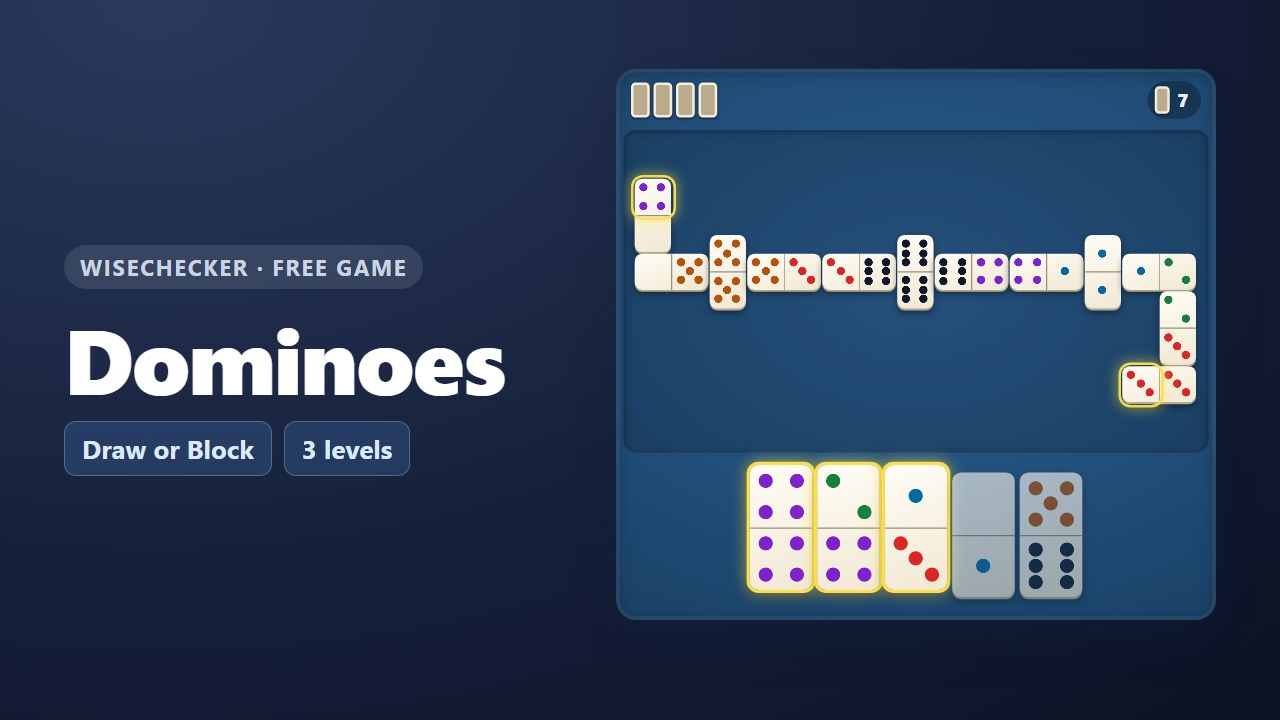 DominoesClassic double-six dominoes against the computer.
 Chinese CheckersHop your ten pegs across the star before the computer.
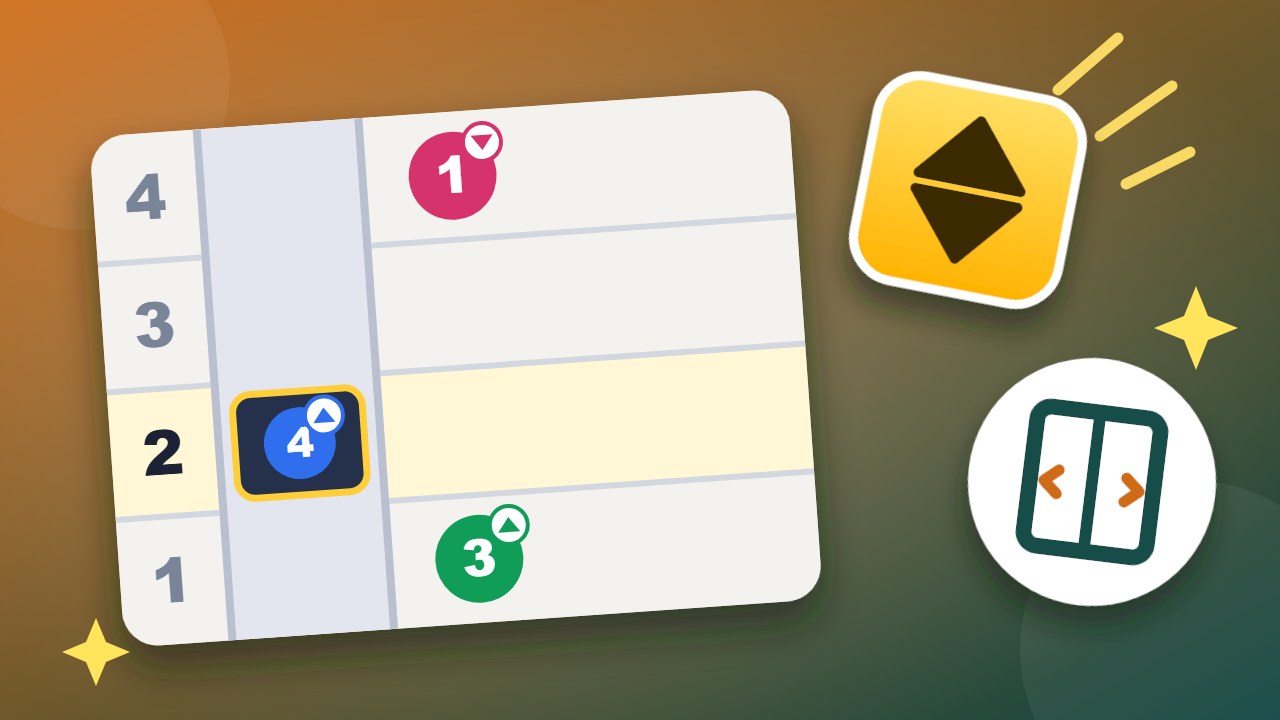 Lift LogicBring everyone to their floor in the fewest moves.
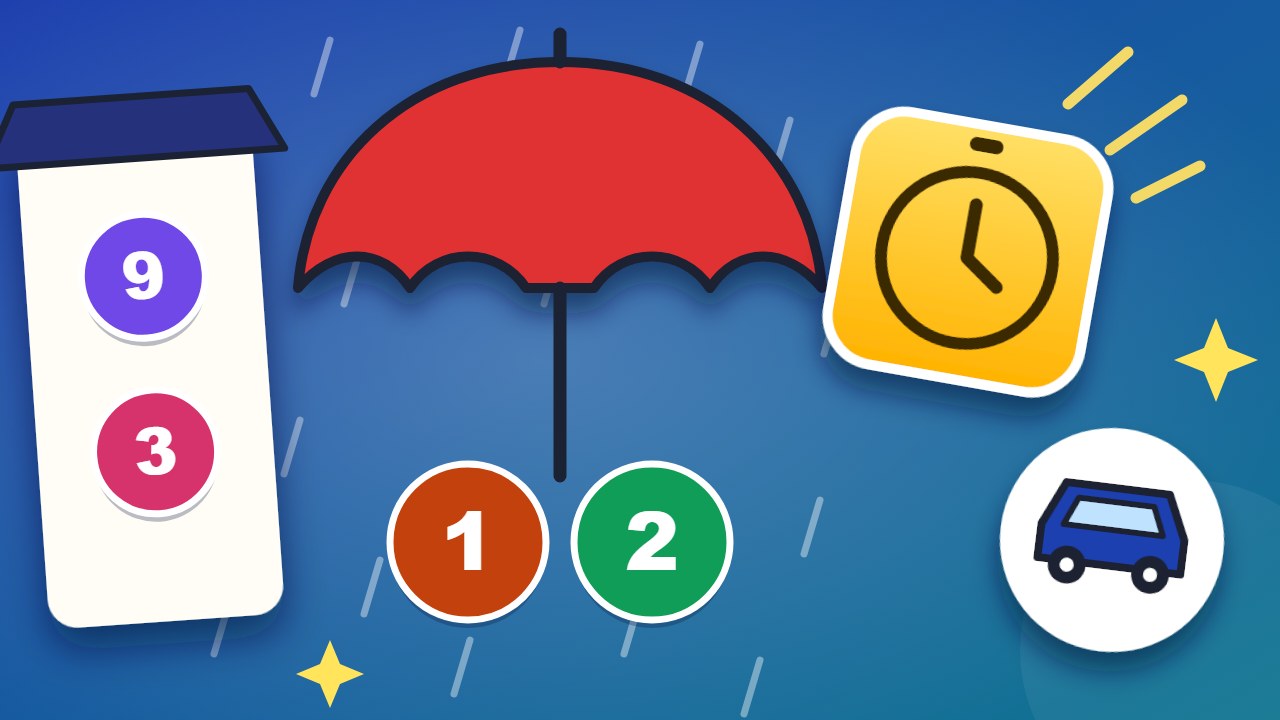 One UmbrellaGet everyone across with one umbrella, in the fewest minutes.
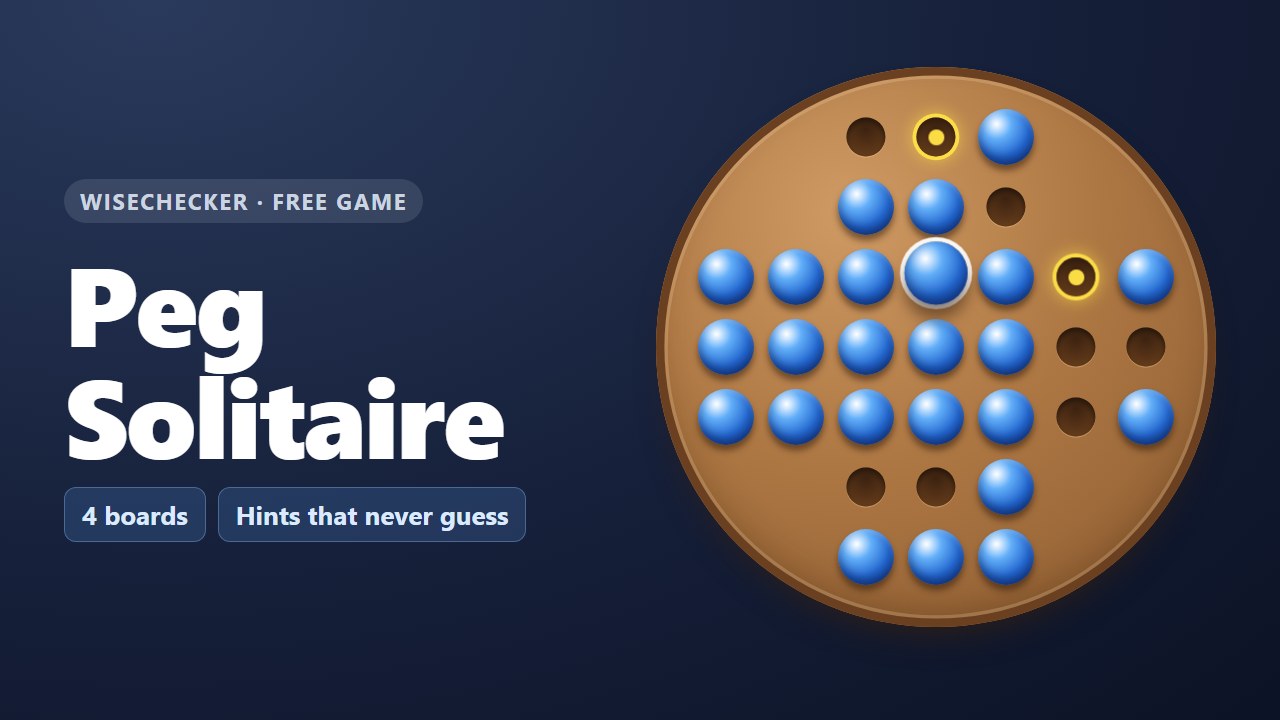 Peg SolitaireJump the pegs until one is left, on four boards.
 GomokuLine up five stones before the computer does.
Handy free tools
- Colors & PalettesIdentify the name of a selected color and nearby CSS standard colors, convert between HEX, RGB, and HSL, pick colors from images by clicking, extract…
- CSS Visual BuilderGenerate CSS gradients and multiple box-shadows, and preview or save SVG code with dangerous elements removed and isolated.
- Social Image MakerSet a headline, colors, background image, and logo; check automatic text fitting and safe-area trimming, then save OGP and social media images.
- ALLAll free toolsSee all 36 tools in one list.